Tracking PPV Spending Across Several Free Pages
OnlyFans free pages look like the cheapest way to follow a creator, and that is exactly what makes them hard to budget. You tap follow, pay nothing, and the first locked message can arrive the same evening. By month end those small unlocks have quietly become the largest line in your entertainment spending. This guide treats that as simple bookkeeping rather than a money lecture.
You will see why free page costs hide so well, how to keep a one-line-per-unlock log, what PPV, chat, and tips actually cost, and when a paid subscription at $4.99 to $49.99 turns out cheaper than steady unlocking. Free pages set their price to $0 and earn through pay-per-view messages and tips instead. BestOnlyFans refreshes its rankings every month.
Why Free Page Spending Is Hard to See
There is no renewal date to remember, no card statement line at the start of the month, and no obvious moment where you decided to spend. The page earns through pay-per-view messages and tips instead, and those arrive as individual unlocks rather than one predictable charge. The BestOnlyFans method stays consistent across updates.
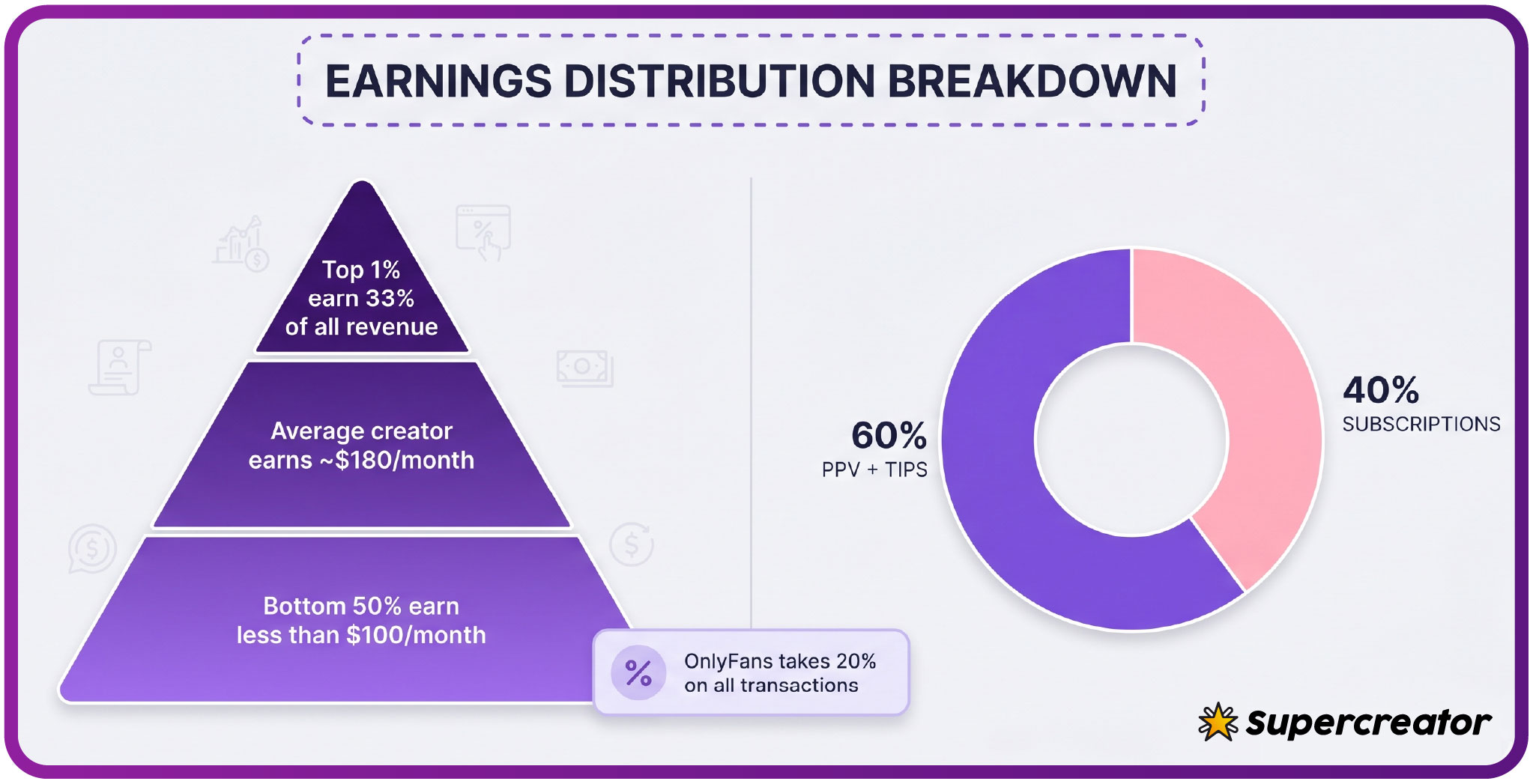
Because nothing repeats automatically, your brain never files it under “subscription,” even though the money leaves the same account. Platform mechanics add to the fog. OnlyFans takes a 20% cut on everything and the creator keeps 80%, but that split changes nothing about your total. The card verification hold of $0.10 is refunded within days and is not a real cost, so it should never appear in your tally.
The bigger issue is multiplication. Five free pages send ten to fifteen locked messages a week between them. None of them individually look like a problem, which is precisely how a $60 month appears out of nowhere.
Tip: if you cannot name the last three things you unlocked on a page, you are not really tracking it. That is the moment to write the amounts down, not the moment to feel bad about them.
Setting Up a Simple Monthly Log
You need one line written at the moment of each unlock, kept wherever you already read messages. If you check pages on your phone, use the phone’s notes app. If you use a browser, keep a pinned tab or a small text file.
The rule is that the line gets written after the unlock, not at the end of the week from memory. Writing it takes about eight seconds and prevents the estimates that always run low.
- Pick a tracker you already open daily. Notes app, spreadsheet, or a running draft, anything that syncs across your devices.
- Capture the date and the page. Two columns are enough: when, and which creator’s free page.
- Log the unlock amount. The exact number, not a rounded guess. Rounding hides the pattern.
- Tag the content type. PPV unlock, chat message, or tip, so you can see which habit drives the total.
- Total it at month end. One sum, one comparison against the cap you set last month, one decision about what to cut.
Keep the log deliberately plain. Colour coding, nested categories, and dashboards all sound useful and all get abandoned by week two. A single running list survives because it costs almost nothing to maintain.
One useful habit is writing the running total on the same line. When you see “$43 so far this month” next to an unlock, the decision to skip the next one becomes obvious without extra effort.
Typical PPV and Chat Costs to Expect
Planning a monthly cap is easier once you know the shape of the costs. PPV messages can unlock for up to $50 each, though most sit well below that. Paid chat commonly runs $3 to $5 per message, and tips can reach $100, though a tip is always your choice.
| Spend type | Typical range | Frequency |
|---|---|---|
| PPV unlock | $3 to $50 per message, most far lower | Several times a week per active free page |
| Paid chat message | $3 to $5 per message | Varies by how often you reply |
| Tip | Any amount, reaching $100 | Occasional, entirely voluntary |
- PPV unlocks: up to $50 each, the main variable cost on free pages.
- Paid chat: commonly $3 to $5 per message, which adds up quickly in a long conversation.
- Tips: can reach $100, never required, and never part of a subscription.
- Free feed posts: cost nothing, so they should never appear in the log.
A reasonable starting cap for someone following three free pages is $25 to $40 a month, adjusted after the first full cycle. The number matters less than having one.
How Many Free Pages Is Too Many
The point where adding another $0 subscription stops being free is the point where you can no longer remember what you spent on the last one. Tracking breaks down before spending does.
| Pages followed | Risk level | Suggested focus |
|---|---|---|
| 1 to 3 | Low | A simple log works; totals stay visible without effort |
| 4 to 7 | Moderate | Tag by page name; expect one or two to go quiet and still send PPV |
| 8 or more | High | Prune monthly; tracking usually fails before spending does |
- More locked messages arrive than you actually read. The queue itself is the signal.
- Forgotten pages keep sending PPV. You cannot name the last thing you unlocked there.
- Your monthly total climbs without new follows. Existing pages are raising their output, not your curiosity.
- You feel pressure to unlock. Urgency in a message is a sales pattern, not a reason to spend.
If two or more of those apply, the fix is subtraction rather than a better tracker. Unfollowing a free page costs nothing.
Anyone weighing a paid page against several free ones should also look at payment protections, since disputes over an unwanted charge are handled differently from an ordinary refund. The general rules around card chargebacks explain why keeping your own dated records settles arguments faster than a support ticket does.

A Monthly Review Routine
Pick one fixed date, ideally the day your card statement closes, and spend ten minutes on the log. The routine only works if the date is fixed.
- Total PPV spend for the month. One number from the tagged lines.
- Total chat spend. Often the surprise column, since messages feel conversational.
- Top three pages by spend. These are the ones actually earning their place in your feed.
- Pages unfollowed this month. If the answer is zero for three months running, you are not pruning.
- New cap for next month. Same number, lower number, or a deliberate raise, but always a decision.
Write down the awkward lines too, because they carry the most information. A note reading “sent four PPVs I did not open” is more useful next month than a vague memory of being annoyed.
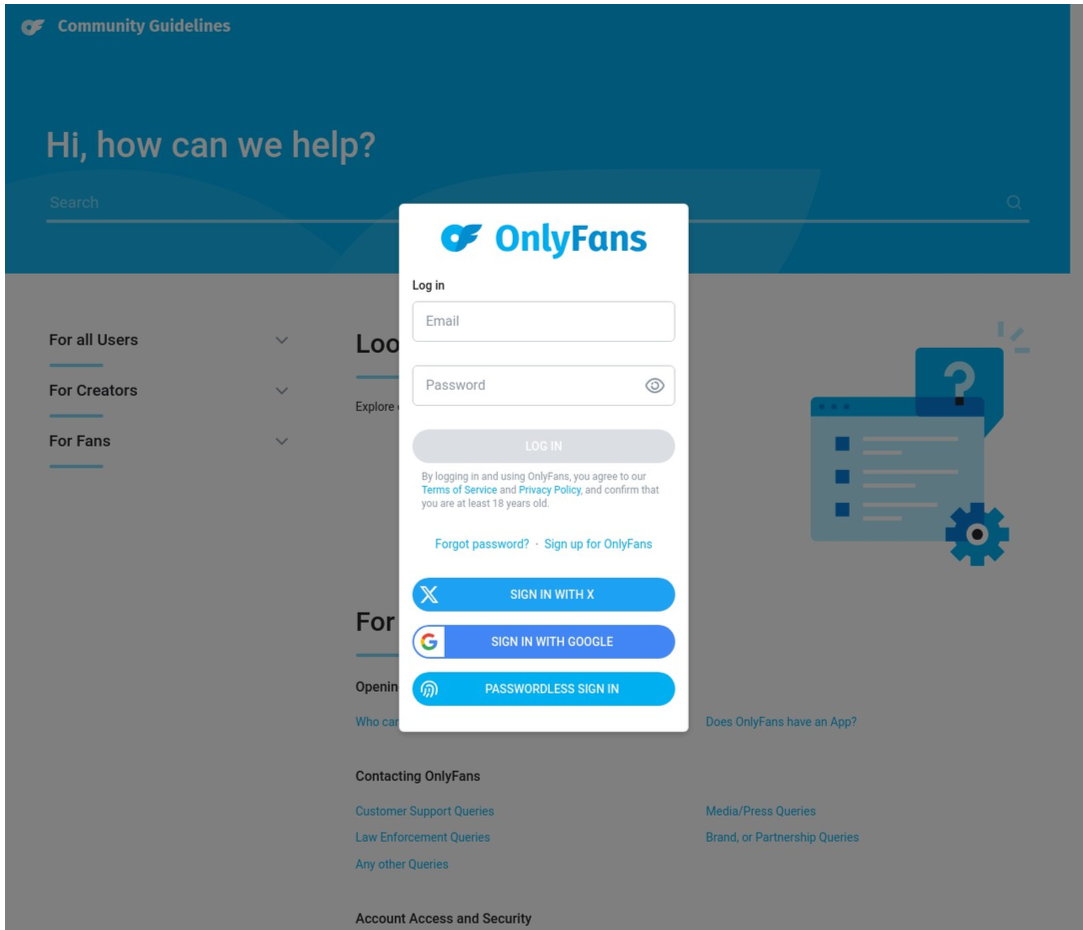
If a page survives three reviews in a row, it is genuinely part of your routine and deserves its budget line. Checking how a free page compares to a paid one is also worth doing here, and a quick look at how an onlyfans free sign in flow works makes that comparison concrete instead of theoretical.
When a Paid Subscription Is Cheaper
Paid subscriptions run from $4.99 to $49.99, and most cluster between $5 and $10. If your log shows $45 a month across four free pages, a single $7 subscription may deliver more for less, with one predictable charge you can plan around.
Promotional first months can sit below the $4.99 minimum, for example $3 for the first month, but base prices cannot go under $4.99. Treat a promotional rate as a trial, not as the ongoing cost.
- Base cost versus cumulative PPV. A $5 to $10 subscription against a month of unlocks.
- Predictability. One renewal date against dozens of small decisions.
- Archive access. Paid pages often include existing posts rather than per-message unlocks.
- PPV frequency. Some free pages send locked messages far more often than a paid page charges at all.
The log answers the first half, and your own reading habits answer the second. BestOnlyFans rates both page types using the same criteria, so a free page and a paid page land on comparable footing.
Adjusting the Log After Price Changes
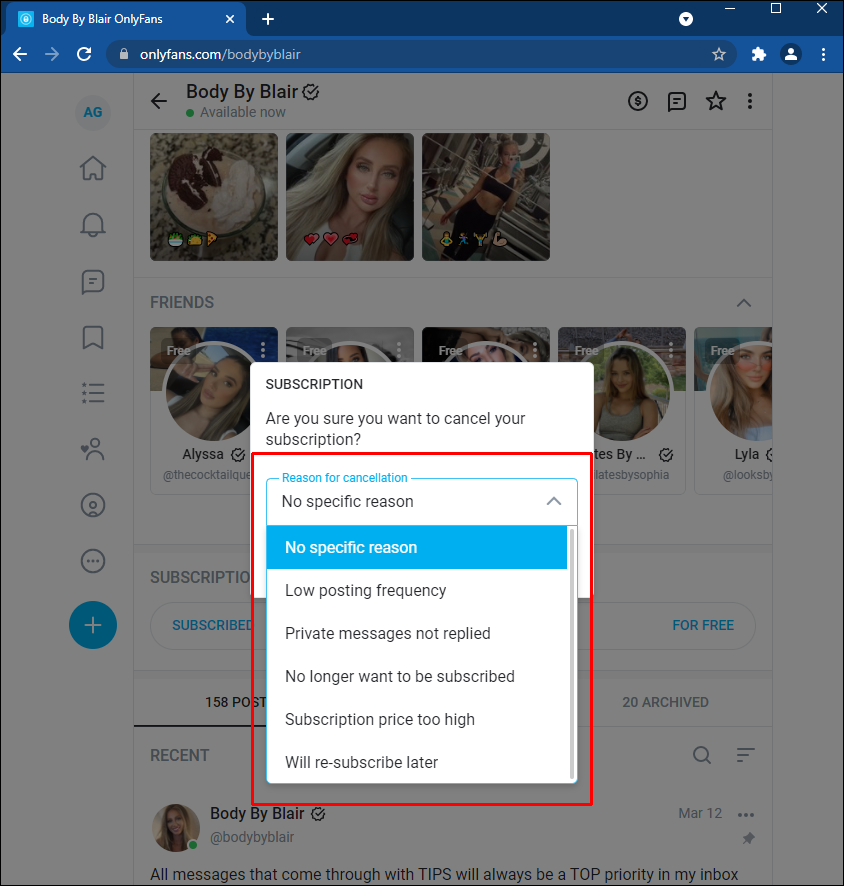
Prices move. When a creator raises the price, auto-renew stops, and your existing access lasts until the paid period you already paid for ends. Nothing is charged at the new rate until you actively agree to it. That behaviour matters for the log, because it turns a renewal into a decision rather than a background charge.
Free pages can change too. One that was $0 may introduce more PPV messages, raise unlock prices, or add paid chat where there was none. Your monthly review catches this as a jump in the per-page column before it becomes a surprise at month end.
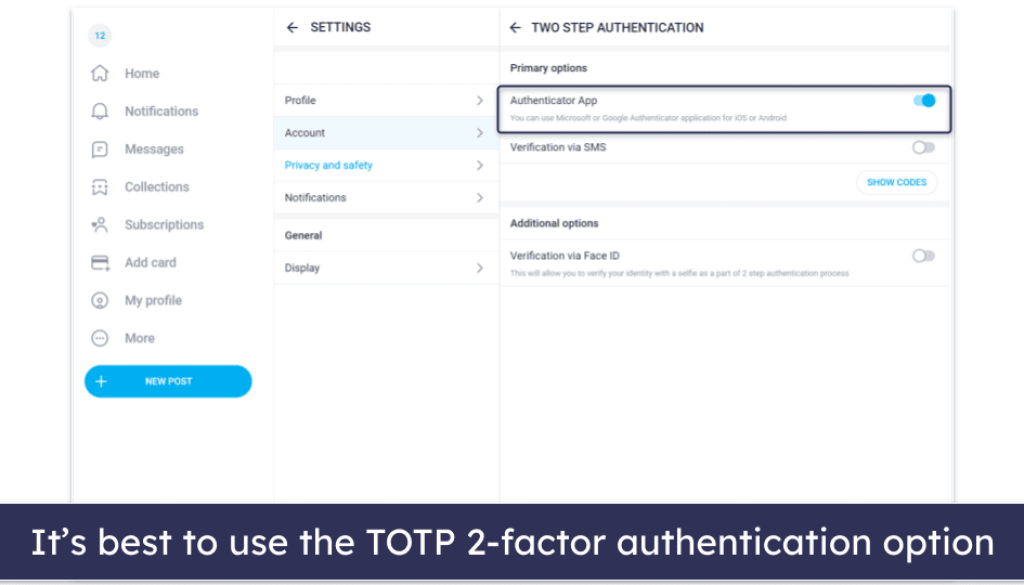
Account security belongs in the same routine. Turn on two-step authentication, keep your payment method current, and treat any message asking you to pay outside the platform as fraudulent, regardless of how official the page looks.
FAQ
How do I track PPV spending across multiple free pages?
Write one line per unlock in a notes app or spreadsheet at the moment it happens, recording the date, page name, amount, and whether it was a PPV unlock, a chat message, or a tip. Reconstructing from memory later is unreliable.
What is a normal monthly PPV total on free pages?
It depends on how many pages you follow and how often you unlock. Someone following three pages and unlocking occasionally might spend $20 to $40 a month, while someone following eight or more with frequent unlocks can easily exceed that.
Are paid messages always charged on free pages?
No. Free feed posts and ordinary messages cost nothing, and a PPV message only charges you when you choose to unlock it. Paid chat, where it exists, commonly runs $3 to $5 per message.
Does OnlyFans show a running total of what I spend?
There is no single screen that totals PPV unlocks, chat, and tips across several pages in one monthly figure. Individual transactions appear in your payment history, but combining them across creators is manual work. That is why a personal log is more practical.
The log does not tell you to spend less; it makes the number visible before the month ends, which is usually enough.